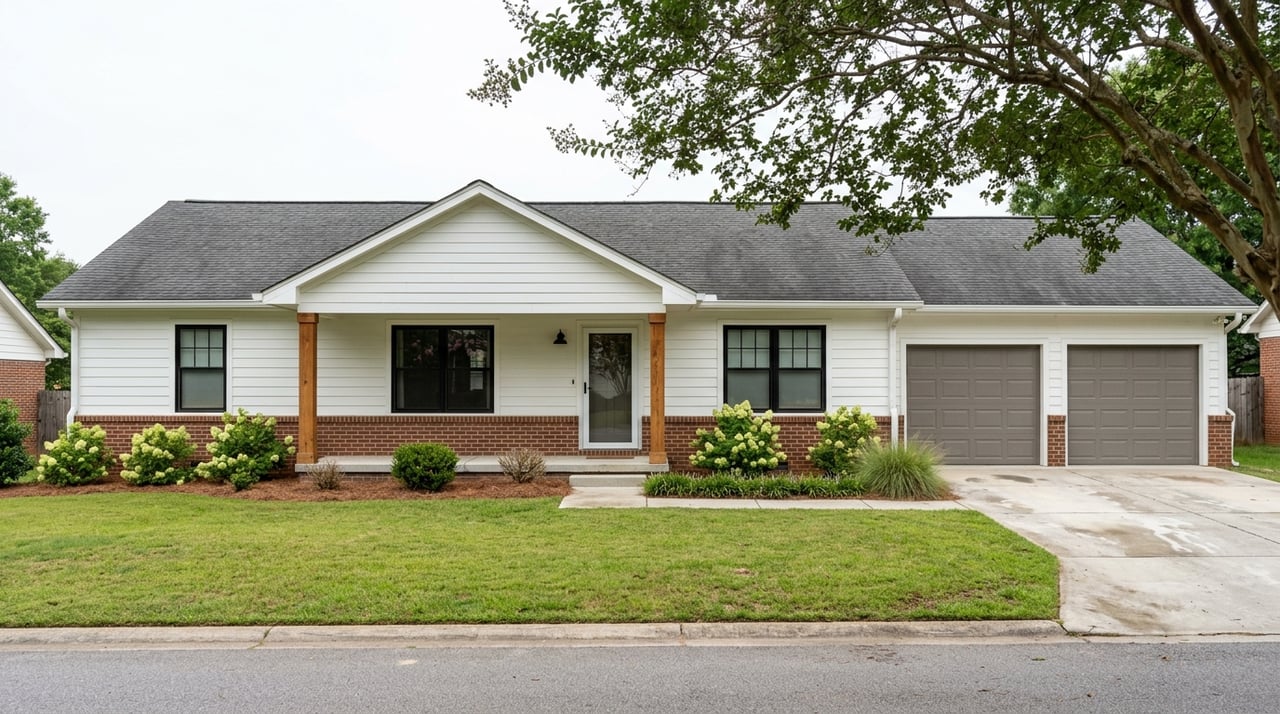
Step-By-Step Guide To Buying A Home In Dunn
June 25, 2026
June 25, 2026
Buying a home in Dunn can feel refreshingly attainable, but that does not mean the process is simple. You want a home that fits your budget, your commute, and your long-term plans, and in a market like Dunn, details like city limits, utilities, and property condition can make a big difference. This guide walks you through each step so you know what to expect and what to verify before you buy. Let’s dive in.
Dunn offers a smaller-market price point compared with many other North Carolina areas. Census QuickFacts reports a median owner-occupied home value of $193,900 in Dunn, compared with a statewide median of $288,900, which is one reason many buyers take a close look at the area.
Dunn also offers practical access for people who commute or travel often. Local materials place Dunn along I-95 with access to Highways 421, 301, and 55, so location within and around town can affect your day-to-day drive time and convenience.
That said, affordability should not be the only thing you look at. Dunn’s housing mix means buyers also need to pay attention to property age, condition, lot features, and whether a home is inside city limits or closer to a rural edge.
Before you start touring homes, get preapproved with a lender. A preapproval is a lender’s tentative statement that you may qualify to borrow up to a certain amount, and sellers often expect to see one when you submit an offer.
Timing matters here. Preapproval letters often expire in 30 to 60 days, so it helps to start this step when you are ready to actively shop instead of months too early.
Preapproval also helps you set a real budget. That gives you a clearer way to compare options like an in-town home with city utilities, a commute-friendly home near major routes, or a lot or rural-edge property that may need more research.
Not every Dunn property comes with the same ownership costs or logistics. A home inside the city may have different utility access, zoning considerations, tax treatment, and permit history than a property outside city limits.
The City of Dunn planning department handles zoning, land use, subdivisions, wastewater allocation, utility taps, and improvement-related questions. That makes parcel location more than a map detail. It can directly affect what you can do with a property and what services are available.
This is especially important if you are comparing older homes, new construction, or vacant lots. The right home for you is not just about square footage. It is also about the practical side of ownership.
In North Carolina, brokered residential sales commonly use the standard Offer to Purchase and Contract, known as Form 2-T. This contract usually includes a negotiated due diligence fee and due diligence period.
The due diligence fee is typically paid to the seller when the contract is executed. It is an important North Carolina-specific part of the offer process, so you want to understand it before you submit an offer.
You will also want to review the seller’s required disclosures. For most transfers of one-to-four-unit residential property, North Carolina requires a residential property disclosure statement, and covered transfers also require a mineral and oil and gas rights disclosure. For most homes built before 1978, lead-based paint disclosure rules also apply.
The due diligence period is your window to investigate the home and the transaction before the contract becomes much harder to unwind. In North Carolina, this is the stage where you confirm that the property truly works for you.
Common due diligence items include the home inspection, pest inspection, septic inspection if applicable, survey, title search, appraisal, loan qualification, and repair negotiations. This period should be long enough for those items to be completed and reviewed before the deadline.
One key point in North Carolina is that the due diligence fee is generally nonrefundable if you terminate during the due diligence period. That is why strategy matters. You want enough time to investigate without rushing.
North Carolina buyer guidance warns buyers not to rely on reports prepared for someone else. If you want reliable information, order your own inspections and verify the items that matter to your purchase.
That matters even more in Dunn when you are looking at older homes, edge-of-town properties, or land. Those homes may come with more variables than a newer in-town property.
This is where local knowledge becomes especially valuable. In Dunn, a property’s exact location and service setup can affect ownership costs, future plans, and even what inspections or approvals you need.
The City of Dunn provides planning, zoning, subdivision, wastewater, utility, and permit resources. Buyers should confirm parcel-level details before closing, especially when buying a lot, a newly built home, or an older home with possible improvement history.
Confirm whether the parcel is inside Dunn city limits. That can affect tax billing, utility access, zoning, inspections, and long-term ownership costs.
For taxes, Harnett County bills City of Dunn taxes through the county tax department. The 2025 Harnett County rate sheet lists a countywide rate of 0.591 per $100, a Dunn city rate of 0.54 per $100, and a separate downtown service district rate of 0.12 per $100.
For in-town homes, verify water and sewer service directly. City utilities maintain the city water and sewer system and handle taps for new homes and businesses, so utility status is a practical item to confirm during the contract and inspection process.
If you are buying new construction or a lot, check permit history and local review requirements. The City of Dunn says its inspections department enforces state and local codes, and starting July 1, 2025, fire plan reviews and inspections for the city are processed by Harnett County and billed separately.
If the home was built before 1978, lead-based paint disclosures may apply. If you have concerns, this is the time to investigate before moving forward.
If the property is on the edge of town or includes acreage, pay close attention to:
A new survey can reveal issues that title work may not show. That is one reason these properties often need more careful due diligence.
As you move toward closing, stay in close contact with your lender. Your loan still needs to move from preapproval to final approval, and that process can involve updated documents, appraisal review, and final underwriting conditions.
You should also review the full monthly cost of ownership, not just the mortgage payment. In Dunn, that may include city taxes, county taxes, utilities, insurance, and possible property maintenance tied to an older home or larger lot.
For context, Census QuickFacts reports median monthly owner costs with a mortgage of $1,507 in Dunn. That is not a quote for your future payment, but it is a useful reminder to budget for the full cost of ownership.
Before closing, your lender must provide a Closing Disclosure at least three business days before closing. This is your chance to review the final loan terms and closing costs carefully.
Use that window to compare the final numbers to what you expected. If something looks different, ask questions right away so there is time to sort it out before signing.
You should also make sure your funds, insurance, and final property details are lined up. This includes confirming tax district status and any utility or service questions that still need answers.
Once you get the keys, keep your important documents in one place. Save your disclosures, survey, inspection reports, and closing package for future reference.
These records can help later if you refinance, sell, or plan improvements. They also make it easier to answer questions about the property down the road.
Buying a home in Dunn is absolutely manageable when you take it step by step. If you want local guidance on comparing homes, understanding due diligence, or narrowing down the right fit in and around Dunn, Enrich Realty is here to help you move forward with confidence.
Stay up to date on the latest real estate trends.
Whether buying, selling, or investing, our team combines data-driven insights with hands-on guidance to ensure seamless, stress-free transactions. We believe real estate is more than property—it’s about creating opportunities, building wealth, and enriching lives.

Enrich Realty
Address 103 W South Railroad St Four Oaks NC 27524