Living in Garner NC for Raleigh Commuters
July 23, 2026
July 23, 2026
If you work in Raleigh but want a town that feels a bit more residential, Garner is worth a close look. Many buyers want a commute that stays practical without giving up everyday conveniences, parks, and a sense of place. The good news is that Garner offers a smaller-scale alternative to Raleigh with solid access into the city and a housing mix that fits different goals. Let’s dive in.
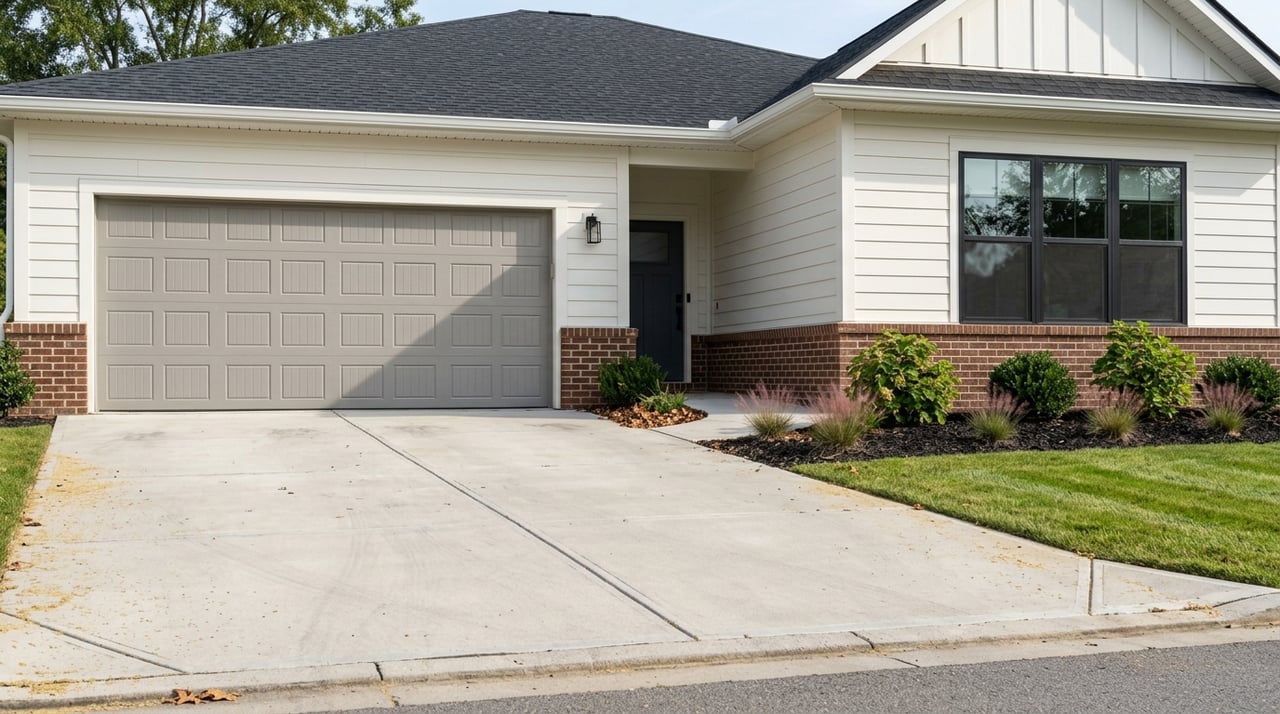
Garner sits just south of Raleigh and offers a more suburban setting than the larger city core. The town describes itself as a suburban community with a historic downtown and quiet neighborhoods, which lines up with what many commuters are looking for when they want a little more separation between work and home.
It is also a much smaller town by population. Census estimates show Garner at 41,562 residents in 2025, compared with 506,306 in Raleigh. That difference often shows up in the day-to-day feel, from neighborhood scale to how busy commercial areas and local streets may feel.
For buyers, Garner can also look more approachable on paper. The median owner-occupied home value in Garner is $355,000, compared with $415,800 in Raleigh, while the owner-occupied rate is higher in Garner at 63.2% versus 50.7% in Raleigh. In simple terms, Garner may be especially appealing if you want Raleigh access but are focused on homeownership value rather than renting.
If you are considering Garner as a home base, the biggest question is usually the commute. In general, Garner works best for people who are comfortable with a mostly car-based routine but still want transit options in the mix.
Garner’s commute network includes GoRaleigh Route 7, Route 20, and Route 40X. Route 40X offers express service from Garner Station Boulevard to Downtown Raleigh and Wake Tech Community College, which can be helpful if your schedule and destination line up with that route.
GoTriangle also includes Garner in its regional network and offers commuter tools such as vanpools and an emergency ride home program. That gives you more than one way to think about your workweek, especially if you want flexibility beyond driving alone every day.
Travel times are still fairly reasonable for the Triangle. The Census Bureau’s latest estimate puts Garner’s mean travel time to work at 26.2 minutes, compared with 23.0 minutes in Raleigh. That suggests you should expect a commute that is manageable for many households, even if it is not as short as living inside Raleigh itself.
Garner tends to make the most sense if your priorities are space, a residential setting, and practical city access. It is less about an urban, live-near-everything lifestyle and more about finding a town that supports your everyday routine while keeping Raleigh within easy reach.
You may find Garner to be a strong fit if you want:
If you need to be in the middle of Raleigh’s larger core every day, Garner may feel like a tradeoff. But if you want to come home to a more residential atmosphere after work, that tradeoff may be exactly the point.
Garner’s housing pattern is one of the main reasons commuters look there. Planning documents point to a diverse range of housing types and price points for current and future residents, which means you are not limited to one type of home search.
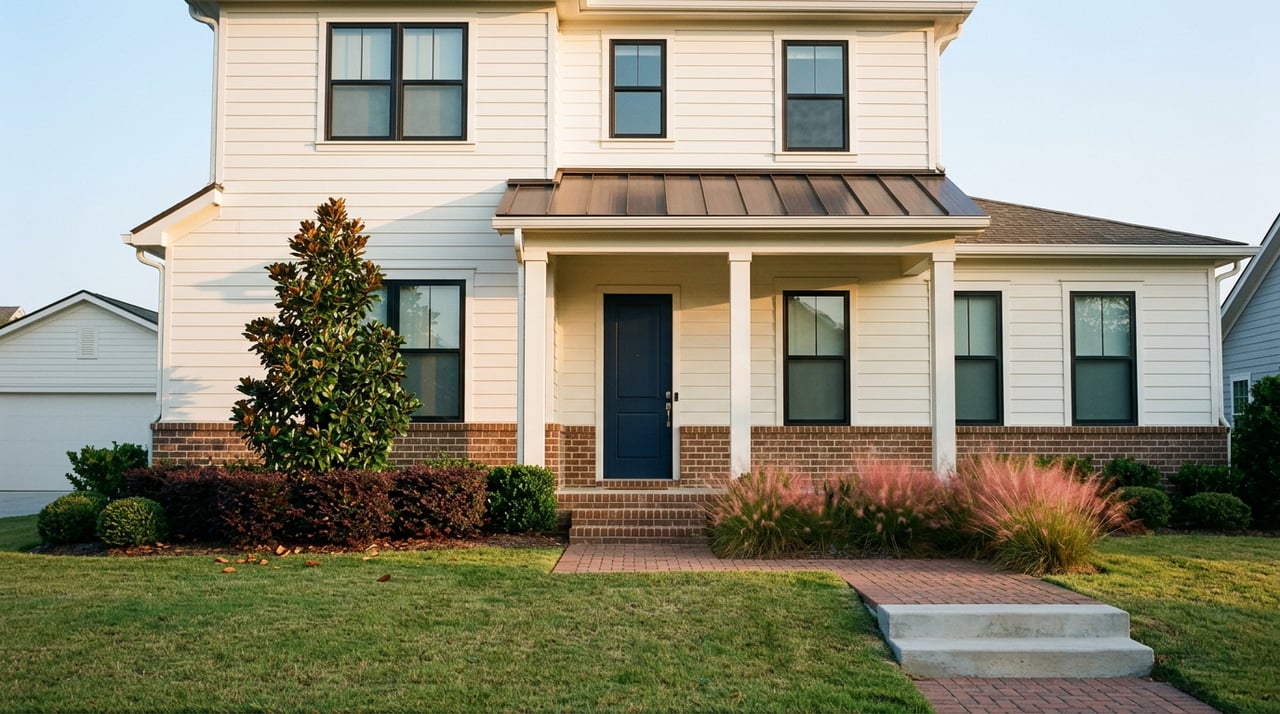
In practice, Garner still reads as mostly suburban and detached-home oriented. At the same time, the town’s guidance also allows for options such as duplexes, townhomes, live-work units, and other smaller-scale attached formats in some areas. That mix can help if you are shopping at different price points or want lower-maintenance options.
The town’s growth framework also encourages infill and redevelopment in older parts of town. That means your choices may include older in-town neighborhoods, newer subdivisions that developed around the bypass, and some attached or multifamily-style options in growth areas.
One of Garner’s practical advantages is variety. You are not choosing between only historic areas or only new construction-style neighborhoods. Instead, you may see several different living environments depending on where you focus your search.
Generally, that can include:
For buyers, this can make Garner easier to shop than towns with a narrower housing mix. If you are balancing budget, maintenance needs, and commute priorities, that extra range can be useful.
A commuter town works better when it still feels like a place you want to be on weekends and after work. Garner has several features that support that kind of daily life, especially if parks, local events, and convenient errands matter to you.
The town manages more than 870 acres of parkland and open space. It also has more than 4 miles of paved trails, 12 playgrounds, 12 picnic shelters, 14 athletic fields, and six tennis courts. For many buyers, that adds real value to the day-to-day experience of living there.
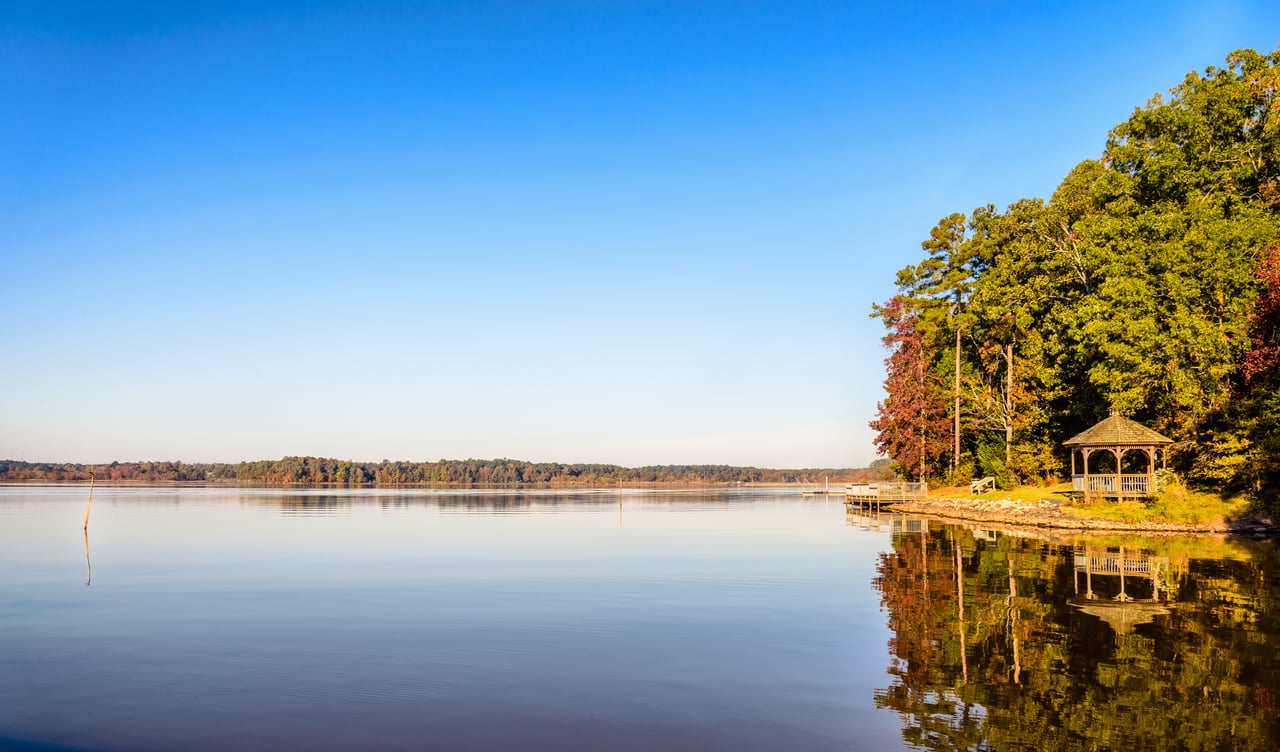
Some of the town’s better-known parks include Lake Benson Park, White Deer Park, and Garner Recreational Park. Lake Benson Park includes open space, a dog park, playgrounds, and 1.8 miles of walking trails, while White Deer Park offers a nature center and a more passive park setting.
Garner Recreational Park sits in the Downtown Garner Historic District and includes ballfields, mountain biking trails, and North Garner Dog Park. Together, these spaces help round out the town’s suburban feel with plenty of room for outdoor time.
Garner is not just a bedroom community. Downtown Garner gives the town a local gathering place through community events and activity that help it feel distinct from Raleigh.
The downtown area hosts food-truck events, free movie nights, concerts, and a social district. The Garner Performing Arts Center also adds to the mix, giving residents another local option for entertainment and community events.
That matters if you want a commuter-friendly location that still has its own identity. Instead of relying on Raleigh for everything, you can expect Garner to offer some built-in local activity closer to home.
Convenience plays a big role in how a commuter town feels during the week. Garner benefits from established retail nodes that make regular errands easier to manage.
White Oak Crossing remains one of the town’s main shopping and retail areas. For many residents, that means you can handle everyday needs locally without adding extra drive time into an already busy schedule.
When you combine retail convenience with parks and local events, Garner starts to feel less like a pass-through location and more like a practical long-term place to live. That balance is often what Raleigh commuters are really trying to find.
If you are home shopping in Garner, it helps to be clear about your priorities before you start touring homes. The best fit often comes down to how you rank commute time, home style, budget, and neighborhood feel.
A few smart questions to ask yourself include:
These questions can narrow your search quickly. They can also help you avoid comparing Garner to Raleigh in ways that miss Garner’s biggest strengths.
Garner offers a strong middle ground for people who work in Raleigh but do not necessarily want to live in Raleigh itself. You can expect a smaller-scale town, a mostly suburban housing environment, a practical commute network, and enough parks, events, and retail to support daily life close to home.
For many buyers, the biggest appeal is the combination of Raleigh access and a more residential feel. If that sounds like the lifestyle shift you want, Garner deserves a spot on your list.
If you are weighing Garner against other Triangle commuter markets, Enrich Realty can help you compare your options and find the right fit for your move.
Stay up to date on the latest real estate trends.
Whether buying, selling, or investing, our team combines data-driven insights with hands-on guidance to ensure seamless, stress-free transactions. We believe real estate is more than property—it’s about creating opportunities, building wealth, and enriching lives.
Enrich Realty
Address 103 W South Railroad St Four Oaks NC 27524