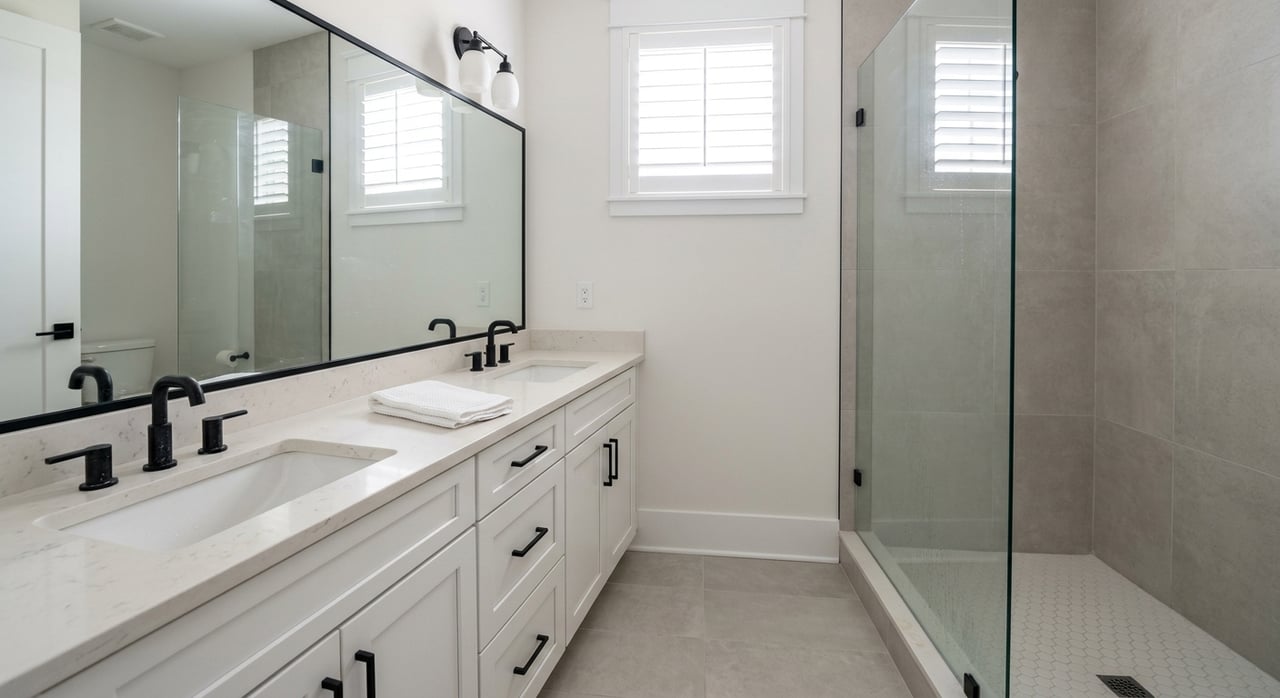
Clayton NC New Construction Process for Homebuyers
June 4, 2026
June 4, 2026
Thinking about buying a brand-new home in Clayton? New construction can feel simpler than a resale home at first glance, but the process has its own contracts, deadlines, inspections, and local permit steps. If you understand how it works before you sign, you can make better decisions, avoid common surprises, and move forward with more confidence. Let’s dive in.
A new home purchase in Clayton often involves more moving parts than buyers expect. You may be choosing a home in a planned community, selecting a lot, reviewing builder documents, and tracking construction from start to finish.
The local details matter too. Depending on where the property sits, permits and approvals may come from the Town of Clayton or Johnston County, and some homes may also need well or septic review. That means your timeline can be shaped by more than just the builder’s schedule.
Before you focus on finishes and floor plans, make sure you understand who is building the home and what rules apply in the neighborhood. This is one of the most important parts of the process.
North Carolina recommends checking the builder before signing and being cautious if a builder tells you to pull permits or arrange inspections yourself. The NC Licensing Board for General Contractors says a general contractor must be licensed when the project value is $40,000 or more.
When you compare builders or communities in Clayton, look at:
If the subdivision has an HOA created after January 1, 1999, it is generally governed by North Carolina’s Planned Community Act. That can affect your costs and what changes you can make to the property later.
In Clayton, permit responsibilities can vary by location. If the property is inside Clayton city limits or the town’s ETJ, the zoning permit comes from the Town’s Planning Office. In other parts of Johnston County, zoning permits are handled by Johnston County.
For building permits, Johnston County requires digital construction drawings, a detailed site plan, and copies of well and septic permits when those apply. The county also notes that bedroom counts on septic permits must match the actual residence.
If the home will connect to town water and sewer, written hookup approval must come from the Town. If it is on public water and sewer through the county system, approval comes from Johnston County Public Utilities.
Some new-construction lots outside more connected areas may need septic or well approval. Johnston County Environmental Health evaluates whether a lot is suitable, requires rough-staking before evaluation, and inspects installed septic systems. The county also permits and inspects private drinking water wells.
If you are buying a lot or a home that is not yet fully approved, these steps can affect both timing and feasibility. That is especially important if you are comparing homesites with different utility setups.
Even with new construction, financing should be addressed as early as possible. In North Carolina, the due diligence period is the time when you investigate the property and transaction, and it needs to be long enough for appraisal and lender review to happen before the deadline.
That means you should not assume the builder’s timeline will give you extra breathing room. If your lender needs more time, or the appraisal is delayed, that can become your issue unless the contract gives you enough time or the seller agrees in writing to an extension.
North Carolina uses a due diligence system rather than a traditional financing contingency in its common residential contract model. You may terminate for any reason or no reason before the due diligence deadline by written notice, but once that deadline passes, your options narrow.
If you still have unresolved financing, appraisal, survey, or inspection questions near the deadline, you should not assume you can sort them out later. Extensions need to be agreed to in writing.
Verbal agreement is not enough. Under North Carolina’s Statute of Frauds, a binding contract requires a written agreement signed by all parties and communication that those signatures have been obtained.
Until that happens, there is no contract. That matters in a competitive new-construction setting where buyers may think they have locked in a home before they really have.
One area that confuses many buyers is the difference between the due diligence fee and earnest money. They are not the same thing.
The due diligence fee is a negotiated amount paid to the seller by the effective date. It is credited at closing if the sale closes, but it is usually non-refundable unless the seller materially breaches the contract or the contract ends under specific contract provisions.
Earnest money is separate. Both amounts should be understood clearly before you sign, especially if the home is months away from completion.
Due diligence is your window to verify facts, review documents, and decide whether to move forward. For new construction in Clayton, that means looking beyond paint colors and upgrade sheets.
The North Carolina Real Estate Commission says due diligence may include inspecting the property or lot, reviewing restrictive covenants and HOA documents, checking zoning and flood risk, and pursuing appraisal, survey, and loan approval.
Use this period to confirm:
For first-sale new construction that has never been inhabited, the general residential property disclosure statement is exempt under Chapter 47E. Even so, HOA disclosures and mineral, oil, and gas disclosures can still matter when they apply.
Builder paperwork can be longer and more detailed than a typical resale purchase contract. That does not mean you should skim it.
North Carolina advises that a written construction contract should spell out the scope of work, quality of materials, total price, warranties or guarantees, start and finish dates, and who handles cleanup and trash removal. These details help set expectations before construction issues come up.
Look closely at:
Repair negotiations are not automatic in North Carolina. A buyer may ask, but the seller or builder is not required to fix anything unless the contract says so.
A new home is not something you should only revisit at closing. During construction, it helps to stay organized and address concerns as they come up.
North Carolina recommends tracking the work closely, raising issues immediately, and building a punch list before closing. This keeps smaller concerns from piling up into larger last-minute stress.
As your Clayton home moves forward, keep an eye on:
The Town of Clayton’s Inspections Department reviews plans, issues permits, and performs compliance inspections for qualifying properties. The town notes that inspection requests are generally made by 4:00 p.m. the day before, and review times are estimates rather than guaranteed turnaround times. That is one reason completion dates can shift.
A new house can still have issues. Builder inspections and municipal inspections do not replace an inspection that works for you.
North Carolina recommends hiring a licensed home inspector or construction expert during construction and before closing. The North Carolina Real Estate Commission also stresses using licensed inspectors who provide a written contract and report.
An independent inspection can help you identify:
This is especially important because a builder warranty is not a substitute for a licensed home inspection.
Many builders offer a home warranty, but coverage can vary a lot. You should read the warranty carefully instead of assuming every issue will be covered.
North Carolina says warranty definitions, contractor requirements, and dispute procedures can differ widely. Some warranties define major structural defects more narrowly than buyers expect, and some may require private arbitration.
Keep your inspection report, warranty paperwork, and any unfinished-item list together after closing. If something needs attention, written documentation makes the process easier.
New construction has a lot of paperwork, deadlines, and local details. Having representation can help you stay organized from contract to closing.
In practice, a buyer’s agent can help you compare builder documents, track due diligence deadlines, confirm permit and HOA requirements, coordinate inspections, and put repair or extension requests in writing. Those steps line up closely with how North Carolina contracts and local approvals work.
For Clayton buyers, that local guidance can be especially useful when a property involves town approvals, county permits, HOA rules, or septic and well questions. Clear communication and good documentation can make the process feel much more manageable.
If you are considering a newly built home in Clayton, the right plan starts with understanding the process before you commit. The team at Enrich Realty offers hands-on guidance to help you compare options, stay on top of deadlines, and move forward with confidence.
Stay up to date on the latest real estate trends.
Whether buying, selling, or investing, our team combines data-driven insights with hands-on guidance to ensure seamless, stress-free transactions. We believe real estate is more than property—it’s about creating opportunities, building wealth, and enriching lives.

Enrich Realty
Address 103 W South Railroad St Four Oaks NC 27524