Durham Townhome Investment Guide for Long-Term Planning
June 18, 2026
June 18, 2026
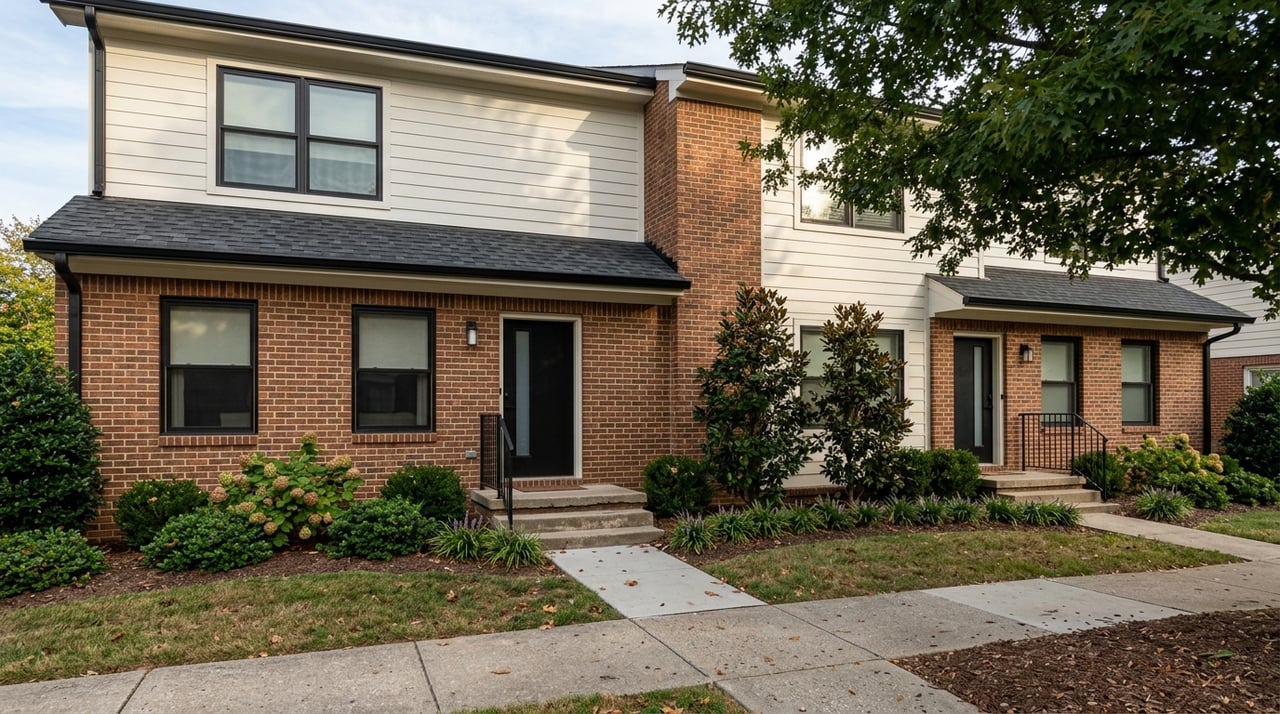
If you are looking for a Durham investment property that feels more manageable than a detached house, a townhome may be worth a closer look. Many buyers want a lower entry price, steady renter appeal, and fewer maintenance surprises, but they also need to understand local costs and tradeoffs before they buy. In Durham, that mix can make townhomes a practical fit for a long-term plan when you focus on location, operating costs, and realistic expectations. Let’s dive in.
Durham County has continued to grow, with the U.S. Census Bureau estimating 347,240 residents as of July 1, 2025. That was up 6.9% from April 1, 2020, which points to a market with ongoing demand drivers.
The county also shows economic strength that matters to long-term investors. Median household income was reported at $82,316, 55.2% of adults held at least a bachelor’s degree, and median gross rent was $1,508 in the 2020-2024 American Community Survey.
Durham’s employment base adds another layer of support. Duke reports 43,000 employees and is the county’s largest employer, while local employer hubs also include Fidelity, IBM, Durham County Government, Durham Public Schools, North Carolina Central University, and Research Triangle Park.
For many small investors, the first advantage of a townhome is the entry point. Current listing snapshots from Redfin show Durham townhouses at a median listing price of about $357,000, compared with about $435,000 for Durham homes overall.
That gap will not guarantee better returns, but it helps explain why townhomes often attract buyers who want to get into the market without taking on the cost of a detached home. A lower purchase price can improve flexibility for down payment planning, reserves, and monthly carrying costs.
Townhomes can also be easier to underwrite for long-term ownership. Instead of betting mostly on land value or a large yard premium, many investors are looking for a property with practical layout, predictable upkeep, and broad renter usability.
That matters in Durham, where attached housing often lines up well with how people live and commute. If your strategy is steady ownership over time, a townhome may fit best when the numbers support stable cash flow and the property serves everyday renter needs.
A townhome is not automatically a strong investment just because it is more affordable than a detached home. In Durham, micro-location is a big part of the story.
Redfin’s current townhome search areas include South Durham, Downtown Durham, Trinity Park, Duke Forest, Research Triangle Park, Woodcroft, Hope Valley, and Brier Creek. That spread suggests townhomes are often found in places connected to employment centers, established residential areas, and commuter routes.
Commute access is a real factor in Durham. The Census Bureau reports a mean travel time to work of 22.6 minutes, and NCDOT describes NC 147, also known as the Durham Freeway, as a major urban commuter route linking NC 540 to I-85 through downtown Durham.
The Triangle Expressway also improves commuter mobility and access to the RTP employment center, according to the U.S. Department of Transportation. For a long-term rental strategy, that supports the idea that homes near downtown Durham, South Durham, and the RTP and NC 147 corridor may attract renters who value convenience over yard size.
Durham still has a meaningful renter base. The county’s owner-occupied housing rate is 55.5%, which means a substantial share of households rent.
That said, long-term investors need to look past broad demand and pay attention to current supply conditions. HUD’s April 2026 market snapshot describes Durham County’s sales market as balanced, but the rental market as slightly soft.
HUD reported an 8.7% rental vacancy rate and an 11.4% apartment vacancy rate in the third quarter of 2025. It also reported 1,450 multifamily permits in the prior 12 months and 1,800 rental units under construction.
This does not mean townhomes are a bad investment. It means you should be careful with your assumptions on rent growth, lease-up timing, and vacancy.
The strongest long-term townhome candidates often share a few practical traits. They are not always the cheapest units on the market, but they tend to be easier to operate and easier for renters to use.
Look for features that support day-to-day function, such as:
In a long-term plan, renter usability often matters more than flashy finishes. A well-located townhome with a practical layout can stay relevant longer than a property that looks great online but has weak access or hard-to-manage costs.
If you are buying a townhome in Durham, the homeowners association is not a side detail. It is part of the asset’s operating model.
Under North Carolina’s Planned Community Act, unless the declaration says otherwise, the association is responsible for common elements and each lot owner is responsible for maintenance and repair of the lot and improvements on it. That means you need to know exactly what the HOA handles and what remains your responsibility.
The same law allows associations to assess common expenses and file liens on unpaid assessments after 30 days. For an investor, that makes dues, reserve funding, and any history of special assessments very important.
Before you buy, review items such as:
A townhome may look simpler than a detached home on paper, but weak HOA finances can change your return quickly. A careful review can help you avoid surprises later.
If your Durham townhome will be used as a rental, state rules matter from the start. One key area is the security deposit.
North Carolina law says security deposits must be held in a trust account or secured by bond. For leases longer than month-to-month, the deposit may not exceed two months’ rent.
The law also requires landlords to itemize and refund or account for the deposit within 30 days after the tenancy ends, with interim and final accounting rules when needed. These are important details to build into your management process from day one.
Fair housing compliance matters too. North Carolina fair housing guidance states that the law applies to the sale, rental, and financing of residential housing and prohibits discrimination based on protected characteristics such as race, color, religion, sex, national origin, disability, and familial status.
A smart buy-and-hold plan usually starts with a simple question: will this property still be useful and competitive several years from now? In Durham, that means balancing affordability, location, operating costs, and market competition.
As you compare options, focus on a few core checkpoints:
A lower purchase price can help preserve cash reserves and reduce monthly pressure. Since Durham townhomes currently show a lower median listing price than the broader market, they may offer a more accessible path for investors who want to enter or expand thoughtfully.
Because HUD describes the rental market as slightly soft and notes new supply under construction, use conservative rent projections. A deal that only works at the top end of rent expectations may carry more risk than it first appears.
Townhomes can reduce some exterior headaches, but that does not mean maintenance disappears. You still need to understand owner responsibilities, likely repair costs, and whether the HOA is handling common areas well.
Long-term investing works best when you buy for durability, not quick wins. In a market tied to major employment centers and steady county growth, a well-chosen townhome may offer staying power if you can hold through supply cycles and short-term market shifts.
A Durham townhome may fit your investment plan if you want a property with a more accessible purchase price, broad commuter appeal, and a maintenance setup that feels easier to forecast than a detached house. That can be especially useful if you are building a portfolio slowly and want to keep your operating model simple.
It may also make sense if your priority is steady usability rather than chasing the highest possible upside from land. In Durham, many townhomes sit near the job and commute patterns that support day-to-day renter demand.
The caution is straightforward. You still need to account for HOA costs, current rental softness, and new supply entering the market.
If you keep those factors in view, a townhome can be more than an affordable way in. It can be a practical long-term asset in a growing Durham market.
If you want help comparing Durham townhomes, reviewing location tradeoffs, or thinking through your next move as a buyer or investor, Enrich Realty is here to help.
Stay up to date on the latest real estate trends.
Whether buying, selling, or investing, our team combines data-driven insights with hands-on guidance to ensure seamless, stress-free transactions. We believe real estate is more than property—it’s about creating opportunities, building wealth, and enriching lives.

Enrich Realty
Address 103 W South Railroad St Four Oaks NC 27524