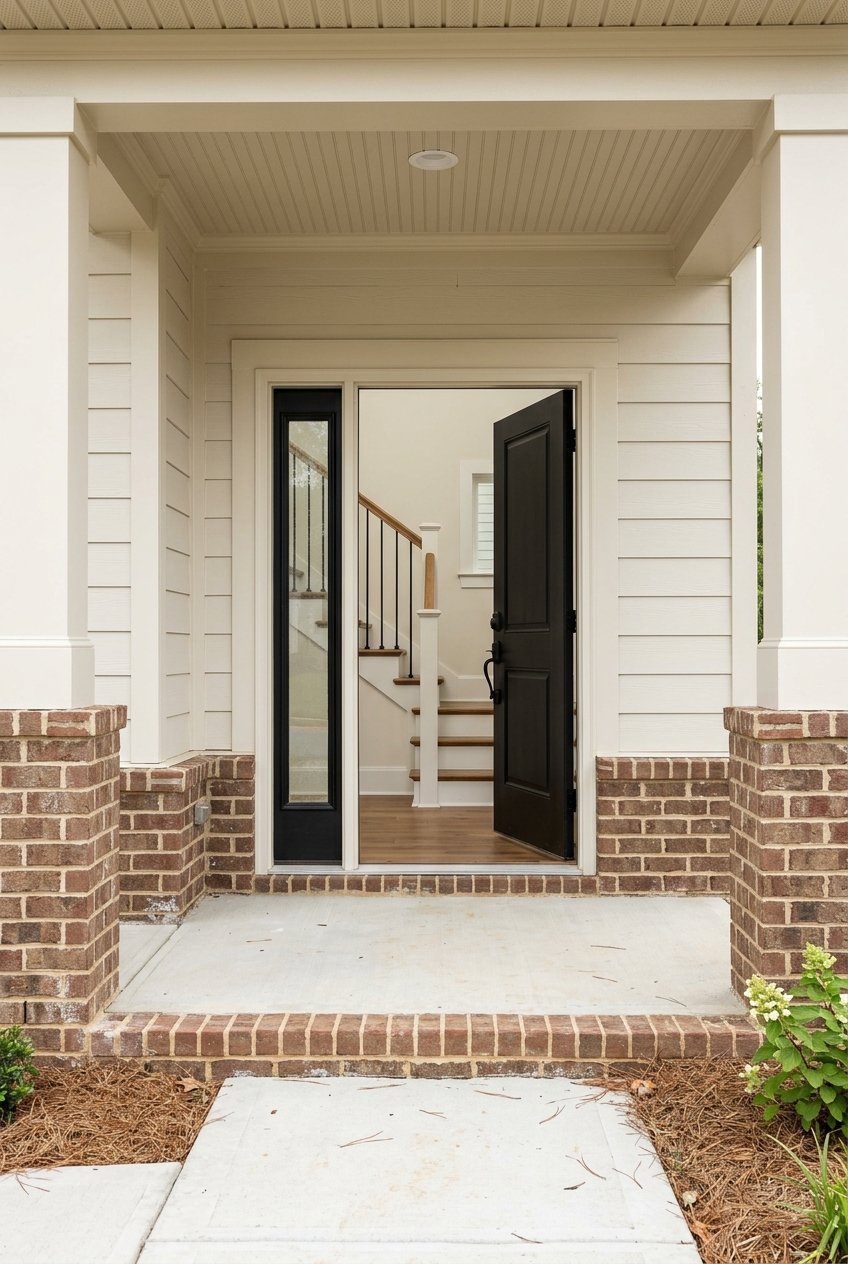
What To Know About Buying New Construction In Garner
May 7, 2026
May 7, 2026
Thinking about buying a brand-new home in Garner? It can feel like the easiest path to homeownership since everything is fresh, modern, and unused. But new construction still comes with deadlines, paperwork, inspections, and local approval steps that can affect your timeline and your peace of mind. If you know what to look for before you sign, you can move forward with more confidence. Let’s dive in.
A new home may look simple on the surface, but the process behind it is not. In Garner, the path from breaking ground to closing includes local permits, required inspections, utility coordination, and a final Certificate of Occupancy.
The Town of Garner handles permit applications and inspection requests through its online portal. The town also states that inspections are scheduled through SmartGov, not by phone or email, and same-day inspections are not offered. That means builder timelines depend in part on how well each inspection step is scheduled in advance.
For you as a buyer, that matters because a builder’s estimated completion date is not always the same as a true closing-ready date. Delays can happen if inspections need to be rescheduled, if a required survey has not been submitted, or if utility service still needs to be initiated.
Garner’s Certificate of Occupancy process happens in stages. The town outlines inspections for groundwork, slab or footing work, foundation, rough-ins, insulation, final trades, fire-system checks, and final building and lot inspections.
The town also notes that approved plans must be on site, inspections require 24-hour notice, and no Certificate of Occupancy will be issued until the required survey is received. In plain terms, several boxes have to be checked before a home is ready for you to close and move in.
Garner’s water and sewer service adds another layer. The Town of Garner says Raleigh Water owns and operates the water and wastewater infrastructure in Garner’s urban service area, while Garner controls when and where new service extensions can happen. For new construction that has not previously been connected, buyers or builders are directed to contact Inspections to start service.
Wake County also reviews erosion and sediment control plans for Garner. That means your home’s timeline can be influenced by more than just the builder’s construction pace.
In North Carolina, the due diligence period is one of the most important parts of the deal. The North Carolina Real Estate Commission says this is the time buyers typically use for inspections, surveys, appraisals, title searches, loan qualification, and repair negotiations.
That matters even more with new construction because many buyers assume a new home needs less review. In reality, this is the stage where you confirm what is being built, what is included, what deadlines apply, and what happens if something changes.
The due diligence fee, if there is one, is negotiated and paid to the seller for the right to investigate the property and the transaction. NCREC also notes that this fee is generally not refundable just because problems come up during inspections or because a buyer changes course.
Builder contracts also deserve extra attention. NCREC points out that parties are not required by law to use the standard form or include a due diligence fee at all, so you should not assume a builder’s contract is routine or harmless boilerplate.
Before you sign, slow down and review the fine print. Pay attention to completion dates, deposit terms, upgrade allowances, change-order procedures, cancellation rights, and what happens if the builder delays construction.
This is also the time to confirm what is standard and what counts as an upgrade. A floor plan model and a finished spec sheet are not always the same thing, so you want written clarity on materials, finishes, appliances, and any optional features.
If you need more time for inspections or review, get that extension in writing before your due diligence period ends. NCREC says if an extension is not agreed to, you may have to decide whether to move forward or terminate before the deadline expires.
One of the biggest mistakes buyers make is assuming the town inspections are enough. Local code inspections are important, but they are not the same as hiring your own independent inspector to look out for your interests.
NCREC advises buyers to order their own inspections rather than rely on a report provided by the owner. It also says buyers are generally better protected by hiring their own specialist when a concern needs follow-up and by receiving the full inspection report during due diligence.
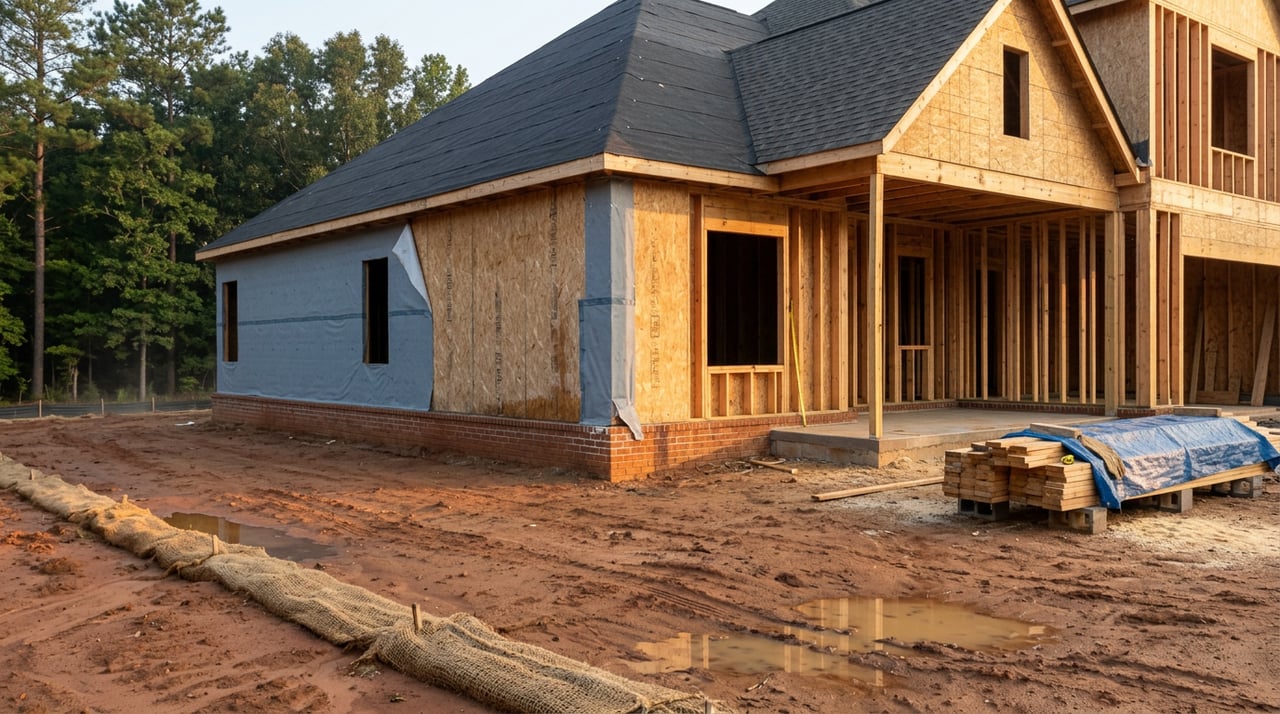
For new construction, multiple inspections can be especially helpful. A phase inspection at the foundation stage, another before drywall, and a final inspection before closing can catch issues before they get covered up or become harder to fix.
Garner’s own inspection sequence supports that idea. Since the town’s process includes foundation, rough-in, insulation, and final inspections, it makes sense for you to think in phases too.
Even when a home looks finished, details can still be missed. A final walkthrough gives you the chance to confirm agreed-upon repairs, check installation quality, and make sure the home matches the contract and selections.
If the builder agreed to correct items, NCREC advises buyers to verify the work, get invoices, and consider a re-inspection. That extra step can help you avoid finding unfinished or incomplete work after closing.
If any repairs are supposed to happen after closing, get the arrangement documented properly. NCREC notes that a written escrow agreement prepared by an attorney is safer than relying on an informal promise.
A key document in a new-construction purchase is the Certificate of Occupancy, often called the CO. NCREC says the CO confirms that the home was permitted and inspected during construction.
If the CO is not yet available, that should be disclosed, and it should be provided at or before closing. This is one of the simplest but most important items to confirm before you head to the closing table.
Without it, you may not have clear proof that the final local approval steps are complete. In Garner, where the CO process includes multiple required stages and a final survey, this is especially important.
Many buyers feel reassured by a builder warranty, and that makes sense. Still, warranty protection depends on the actual terms, not the sales pitch.
The Federal Trade Commission says most new homes come with a builder warranty, but coverage varies. Common patterns may include around one year for workmanship and materials on many components, around two years for HVAC, plumbing, and electrical systems, and up to 10 years for major structural defects.
Those are general patterns, not guarantees. The FTC also warns that warranties often exclude some items, such as appliances or certain cosmetic cracking, and many claims must be submitted in writing.
Some warranties also require mediation or arbitration. Before you sign, ask how claims are filed, what deadlines apply, and who handles repairs.
A new home does not mean risk-free ownership. You still need to think through homeowners insurance and title insurance before closing.
The North Carolina Department of Insurance says homeowners insurance is not required by state law, but your lender may require it. The department also recommends having enough replacement-cost coverage to rebuild the home and reminds consumers that standard policies usually do not cover flood.
Title insurance is also worth close attention with new construction. NC DOI explains that a title search reviews public records such as deeds, mortgages, judgments, tax records, liens, and easements.
That matters because recent construction can sometimes create lien issues. NC DOI specifically lists undisclosed recent construction generating lien claims as one hidden risk an owner’s title policy may help protect against, and it also notes that a lender’s policy protects the lender, not you.
If the new home is in a planned community, make time to review any owners’ association documents. Rules about dues, use restrictions, maintenance responsibilities, and approval requirements can affect your day-to-day ownership experience.
North Carolina’s Residential Property and Owners’ Association Disclosure Statement is required for most residential sales, but the first sale of a dwelling that has never been inhabited is exempt. That means with some new homes, you may not receive the same type of disclosure package you would expect in a resale transaction.
The state form also makes clear that it is not a substitute for inspections. Even in a brand-new home, your own review and inspection steps still matter.
A short question list can save you from big surprises later. Before you commit to a new construction home in Garner, consider asking:
In North Carolina, a general contractor must be licensed if the contract is valued at $40,000 or more. The state licensing board also notes that the Homeowners Recovery Fund may serve as a last-resort remedy in some situations, but it cannot force a contractor to repair work or reimburse a consumer on demand.
Buying new construction often feels easier than buying resale, but the paperwork says otherwise. A lot can happen between contract signing and move-in day, especially when local inspections, utility coordination, warranty details, and due diligence deadlines all need attention.
That is where clear, hands-on guidance matters. Enrich Realty takes a practical, local approach so you can understand the tradeoffs, keep your timeline organized, and make decisions with better information.
When you know which questions to ask and which documents to verify, you put yourself in a stronger position. That is how you make a smart move, not just a fast one.
If you’re planning to buy a new construction home in Garner and want steady guidance through the process, connect with Enrich Realty for hands-on support that helps you move forward with confidence.
Stay up to date on the latest real estate trends.
Whether buying, selling, or investing, our team combines data-driven insights with hands-on guidance to ensure seamless, stress-free transactions. We believe real estate is more than property—it’s about creating opportunities, building wealth, and enriching lives.

Enrich Realty
Address 103 W South Railroad St Four Oaks NC 27524