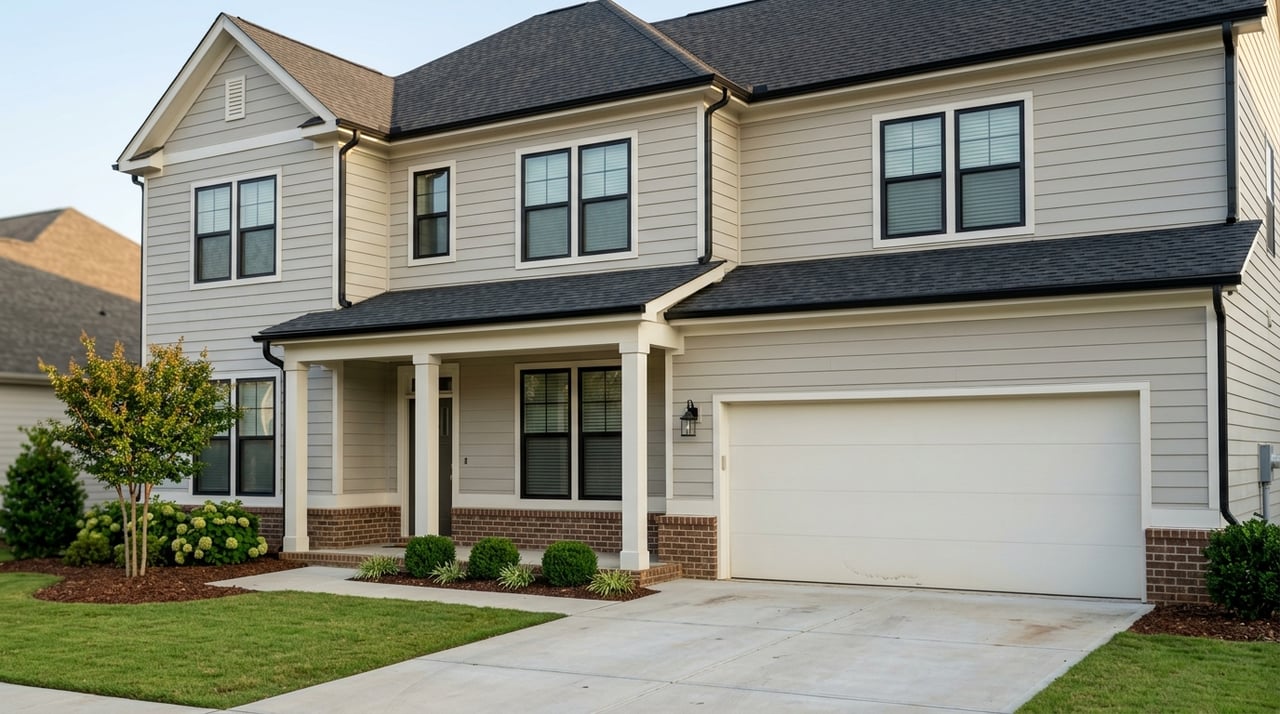
Smart Home Pricing Strategy for Garner, NC Sellers
April 2, 2026
April 2, 2026
If you price your home too high, you may lose the buyers who matter most before they ever step through the door. If you price it too low, you risk leaving money on the table. In Garner, where homes can still sell near asking but buyers have options, the right price is not a guess. It is a strategy built on data, condition, competition, and timing. Let’s dive in.
Garner remains an active market, but it is not a market where sellers can ignore the numbers. According to Redfin’s Garner housing market data, the median sale price was $391,000 in February 2026, with homes taking a median of 71 days on market. On the listing side, Realtor.com’s Garner overview shows a $400,000 median listing price in March 2026, a 99% sale-to-list ratio, and 37 median days on market.
Those numbers tell an important story. Buyers in Garner are still paying close to list price for well-positioned homes, but price discipline matters. Redfin also reports that homes receive about 1 offer on average and sell about 2% below list price, which means strong pricing and presentation can make a real difference.
At Enrich Realty, pricing is meant to be explained, not announced. A strong list price should reflect your home’s features, your competition, and your goals, while staying grounded in current market behavior. That approach lines up with the National Association of Realtors consumer guide to home pricing, which says pricing should consider size, location, amenities, condition, upgrades, repairs, concessions, market conditions, and seller timing.
In plain terms, that means your price is built from several moving parts, not just one townwide average. Here is what that conversation should include.
Closed sales help show what buyers have actually been willing to pay for similar homes. These are often called comps, and NAR defines them as similar properties recently sold in the same area. They are the foundation of a comparative market analysis, or CMA.
But not every sale is equally useful. The best comps are close to your home in location, price range, size, age, and overall condition.
Closed sales are only part of the picture. NAR also notes that a CMA can include sold, under-contract, and active homes, which matters because pending sales often signal where the market is heading next. Active listings matter too, because those are the homes buyers are comparing against yours right now.
This is especially important in Garner, where inventory and growth can shape buyer expectations. The Town of Garner notes that thousands of new residential units have been approved, built, or are under construction, so resale homes may compete with new construction on condition, incentives, and monthly payment.
Condition affects pricing power. NAR’s pricing guidance says agents should account for upgrades, deferred maintenance, and repairs that may need attention before listing. That means two homes with similar square footage and the same zip code may not support the same list price.
Presentation can matter too. In the 2025 NAR home staging survey, 19% of sellers’ agents said staging increased the dollar value offered by 1% to 5%, and 30% said it slightly reduced time on market. The most common recommendations were decluttering, cleaning, and improving curb appeal.
Not every seller wants the same outcome. Some homeowners want the highest possible price and are willing to wait for it. Others want a cleaner timeline, fewer disruptions, or a faster move.
Your list price should match that goal. A pricing strategy for speed may look different from a pricing strategy focused on testing the top of the market.
One of the biggest pricing mistakes is using a single Garner number as if it applies to every home. It does not. Micro-market differences inside Garner can be wide enough to change pricing strategy, marketing expectations, and timing.
For example, on Realtor.com’s Garner market page, Eagle Ridge shows a median home price of $417,450 and 41 median days on market, while Adams Point shows 106 days on market. At the zip level, 27529 shows a median home price of $399,000 and 42 median days on market, while nearby zip codes on the same page range much lower and much higher.
That spread is why smart pricing stays close to your home’s neighborhood, price band, and buyer pool. A broad average can help frame the market, but it should never be the final answer.
It is tempting to start high and “leave room to negotiate,” but that approach can backfire. NAR reports that homes priced even 3% to 5% above market can face longer time on market and deeper price reductions later. Once a listing sits, buyers may start to wonder what is wrong, even when the issue is simply price.
Older Zillow research makes the same point from another angle. According to Zillow’s analysis of overpricing and time on market, homes that lingered for about two months sold for roughly 5% below list price on average, while those on the market the longest sold for about 12% below list price.
That is why pricing right from the start often protects both speed and leverage. The goal is not just to get listed. The goal is to get serious attention while your home is still fresh.
When your home first hits the market, you are most likely to capture the attention of buyers who have been waiting for a match. Those early buyers are usually the most engaged because they are actively watching new listings and comparing options.
NAR suggests giving a listing about two weeks of market feedback before deciding whether a price adjustment is needed. In a market like Garner, where homes can sell near asking but days on market vary by source and segment, that early response window matters. Strong traffic, saves, showings, and offers can support your price. Weak activity may signal that buyers do not see enough value at that number.
A transparent pricing discussion should help you understand not just what your home is worth, but why that number makes sense. At Enrich Realty, that means looking at the evidence from multiple angles and connecting it back to your goals.
A practical seller conversation should include:
This kind of process supports better decisions. It also helps you avoid emotional pricing, which can make a listing less competitive from day one.
Condition is one of the clearest reasons two similar homes may deserve different prices. If your home has updated finishes, strong curb appeal, and fewer obvious repair issues, it may support a premium relative to similar nearby homes. If it needs cosmetic work or deferred maintenance is visible, buyers may expect a discount.
That does not mean you need a full renovation before selling. Often, the most useful pre-listing steps are simple and practical, such as:
These steps can support stronger buyer perception and help your pricing strategy hold up in the market.
Enrich Realty’s brand promise is simple: Your Move. Improved. For sellers, that means pairing local market context with clear, hands-on guidance so you can make a smart decision with confidence.
In Garner, that starts with understanding where your home fits within the market instead of relying on a broad headline number. It also means looking at your home through a buyer’s eyes, studying nearby competition, and choosing a price that supports your timeline and your bottom line.
When pricing is done well, it can help you avoid stale-listing risk, reduce the odds of future price cuts, and attract stronger interest from the start. In a market where buyers still respond to well-positioned homes, that kind of strategy matters.
If you are thinking about selling in Garner and want a pricing plan built around real market data and practical guidance, connect with Enrich Realty to get started.
Stay up to date on the latest real estate trends.
Whether buying, selling, or investing, our team combines data-driven insights with hands-on guidance to ensure seamless, stress-free transactions. We believe real estate is more than property—it’s about creating opportunities, building wealth, and enriching lives.

Enrich Realty
Address 103 W South Railroad St Four Oaks NC 27524