Torn between Raleigh and Garner for your next home? You are not alone. You want the right mix of price, commute, and day-to-day lifestyle, without second-guessing your choice a year from now. In this guide, you will get a clear, side-by-side view of housing, travel times, taxes, schools, and community feel so you can match each place to your goals. Let’s dive in.
Raleigh vs. Garner at a glance
- Scale and vibe: Raleigh is a larger city with a full downtown, major museums, and year-round events. Garner is a smaller, close-in town with a suburban pace and strong parks and community programming. Raleigh’s cultural options include the North Carolina Museum of Natural Sciences and other institutions.
- Population: Raleigh is about 499,825 residents and Garner about 39,345, which signals different expectations for nightlife, walkability, and city services. These figures align with recent U.S. Census estimates for the area, such as Census QuickFacts for Raleigh.
- Price snapshot: As of January 2026, Zillow’s citywide Raleigh typical value was around 425K, while Redfin reported Garner’s recent median near 398K. Providers and dates matter, so treat these as directional.
- Commute baseline: Census averages show Raleigh residents around 23 to 24 minutes to work on average and Garner residents around 26 minutes. Your door-to-door time will depend on your route and schedule.
- Housing types: Raleigh offers more condos, lofts, and townhomes in addition to single-family homes. Garner leans toward newer single-family neighborhoods and master-planned communities.
Housing: types, pricing, and pace
Price ranges today
- Raleigh’s typical home value was about 425K based on a January 31, 2026 Zillow snapshot. In parts of 2025, citywide median sale prices often ranged in the 440K to 460K band depending on the period and neighborhood mix.
- Garner’s recent medians often landed in the mid-to-high 300Ks to low 400Ks through 2024 and 2025 based on several tracking sources, with a January 2026 Redfin median near 398K. Always check current numbers for your target neighborhoods.
What you will typically find
- Raleigh: More multifamily choices near downtown and popular hubs like North Hills and Seaboard, plus historic single-family areas and newer infill further out. Smaller lots and more vertical living are common near the city core.
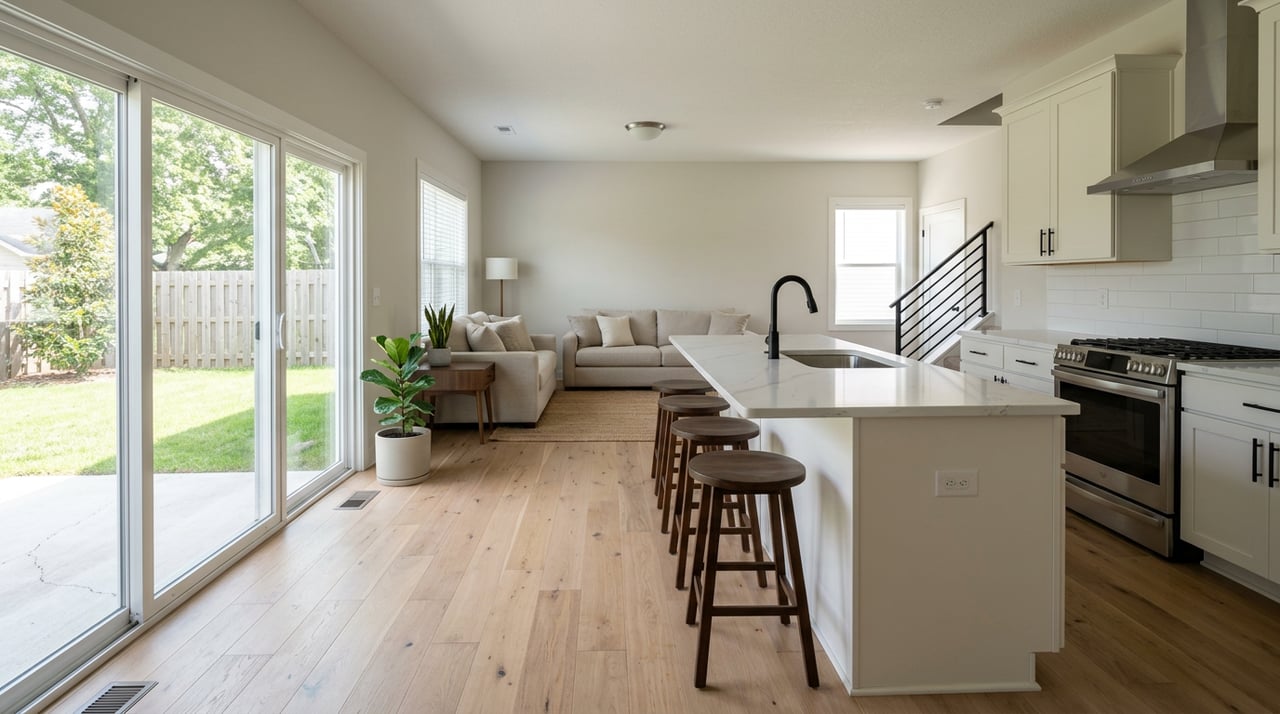
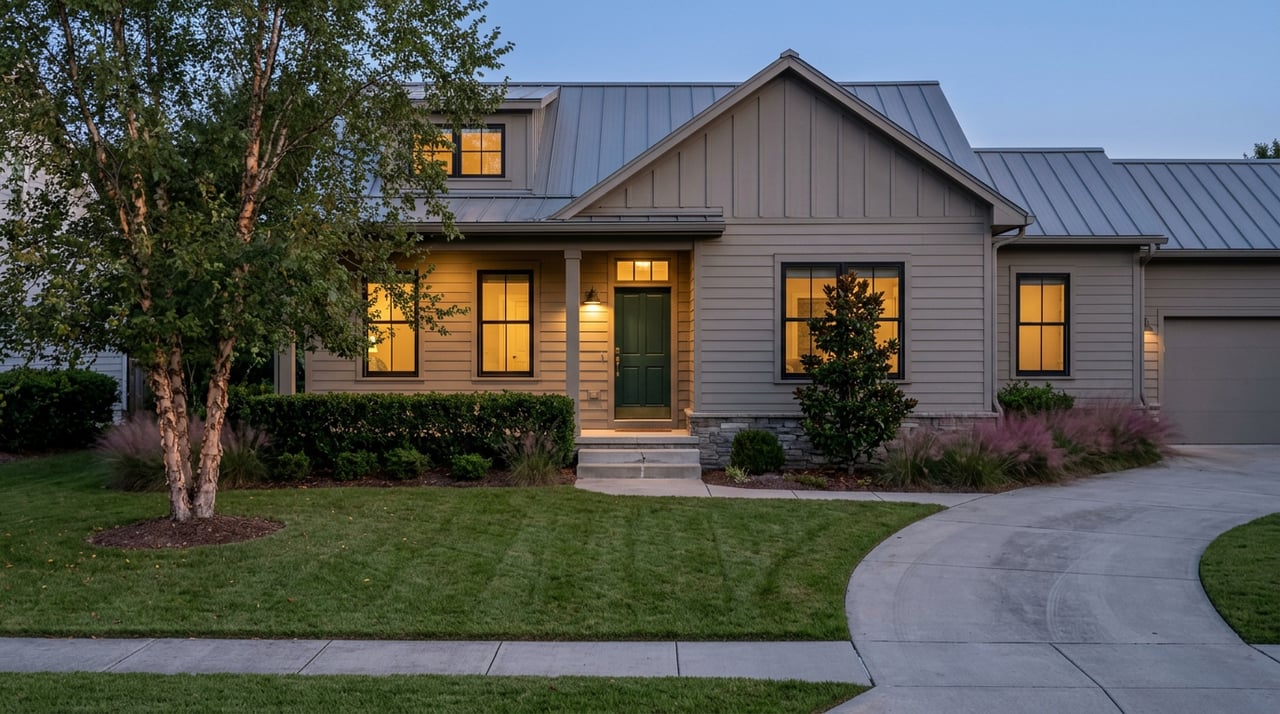
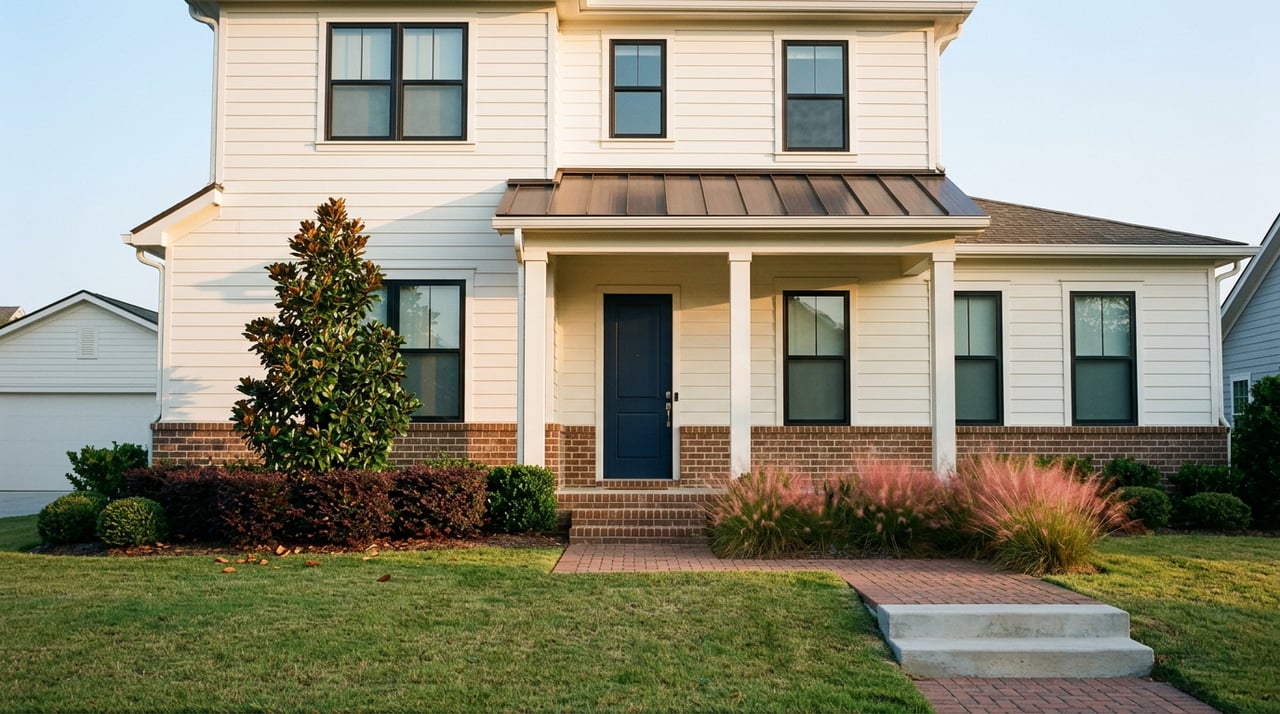
- Garner: A strong share of three- to five-bedroom single-family homes in planned communities, with a housing stock that skews newer or mid-age. Many buyers see larger lots for the price compared with central Raleigh. Market intelligence tools like ATTOM show Garner’s single-family and new-construction patterns across Wake County corridors (ATTOM market view for Garner).
Competition and inventory
Triangle inventory has been rising from pandemic-era lows, which generally gives buyers more choice. Hot in-city Raleigh neighborhoods can still move fast at certain price points. Garner is often described as somewhat competitive in lower and mid price bands. Local coverage also noted a continued increase in homes for sale across the Triangle in 2025 (Axios inventory trend). Days on market and sale-to-list ratios still vary by neighborhood, so check the live stats when you are ready to tour.
Commute and transportation
Drive times you can expect
- Garner to downtown Raleigh: Many residents report a 10 to 25 minute off-peak drive, with peak periods running longer based on route and time. Community guides often cite the close-in distance of roughly 5 to 12 miles between many Garner addresses and downtown Raleigh (local drive-time context).
- Raleigh commutes within the city: Averages near 23 to 24 minutes reflect many short hops to employment centers. Actual times vary a lot with corridor, work hours, and parking setups.
Transit and park-and-ride
Raleigh operates a growing bus network, and the region has park-and-ride options that already touch Garner corridors. If you rely on transit, check maps and schedules for your work hours. Start with GoRaleigh’s listed park-and-ride locations. Raleigh also has a multi-year Bus Rapid Transit program planned to radiate from downtown, with a future southern corridor expected to improve options on that axis over time.
Airport access
From many Garner neighborhoods, typical estimates to RDU International are about 25 minutes in mixed traffic and around 19 to 21 miles depending on the route. Trip estimators reflect that range for common routes (Uber route example, Garner to RDU). Raleigh residents closer to the I-40 and Wade Avenue corridors often see similar or shorter times.
Lifestyle and amenities
Raleigh’s city energy
If you want a wider menu of restaurants, cultural venues, and city events within 10 to 15 minutes, Raleigh delivers. Anchors like the North Carolina Museum of Natural Sciences and a larger network of live music and arts spaces support a fuller urban calendar. Many neighborhoods also offer shorter errand loops with denser retail and coworking options.
Garner’s parks and community focus
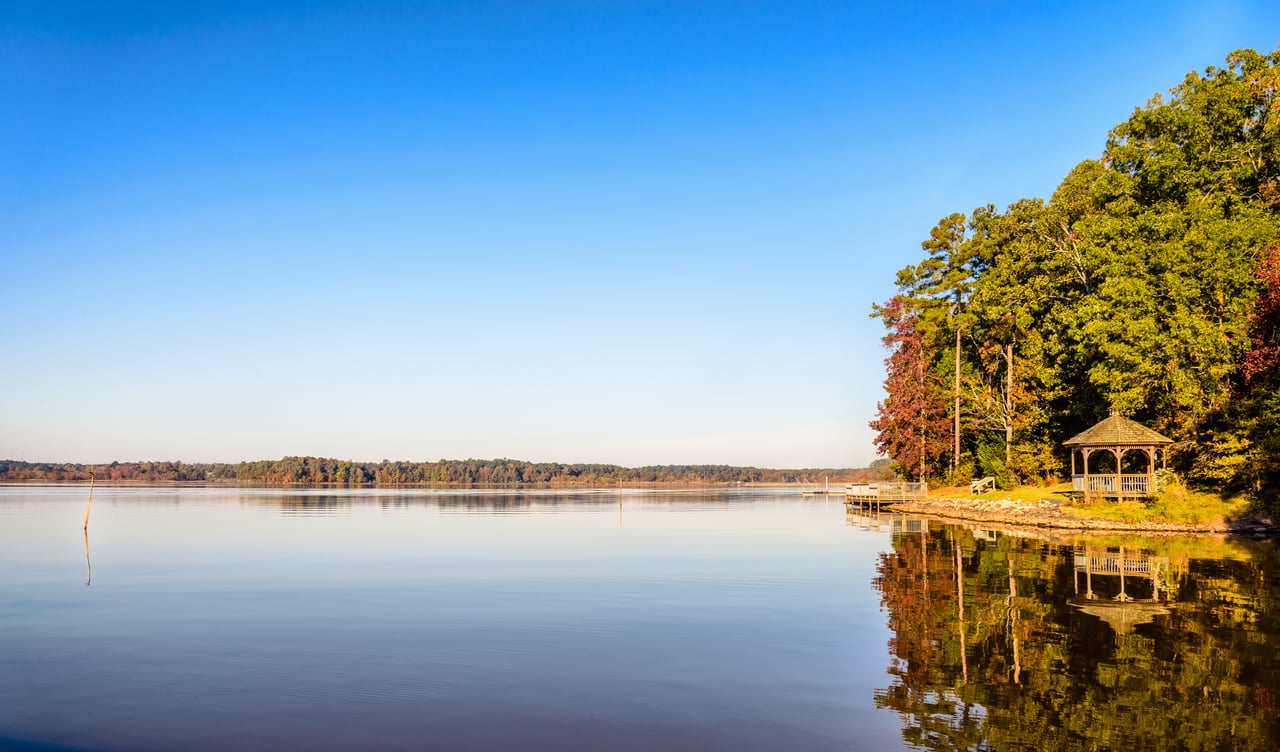
Garner offers a suburban feel with well-loved parks, neighborhood events, and a small-town center that continues to evolve. Lake Benson and White Deer Park are local favorites for trails, picnic areas, and seasonal programming. The town’s Lake Benson Boathouse openings mark the warm-weather season, and the Garner Performing Arts Center hosts concerts, shows, and community arts. Many buyers choose Garner for yard space, local parks, and straightforward access to Raleigh.
Schools and assignments
Both Raleigh and Garner are served by the Wake County Public School System (WCPSS). Garner includes high schools such as Garner Magnet High School and South Garner High. Assignments can vary by address, and magnet or program rules may change your options, so verify school zones at the parcel level through WCPSS resources like the Garner Magnet High School page. Use neutral data and your family’s priorities to compare choices.
Taxes and municipal services
Property taxes include town or city rates plus Wake County levies and any special districts. Garner adopted a municipal property tax rate of 0.52 dollars per 100 dollars of assessed value for FY25 and maintained that in FY26, per the Town’s budget documents (Garner municipal tax rate update). Always confirm current rates and add the county component to estimate your total bill for a specific home.
Which is right for you? A quick test
Use these short checks to match your needs.
Commute and employer test
- Run your door-to-door routes at your real travel times. Try 8:00 a.m. and 5:15 p.m. for a week and note the range.
- If you need reliable early or late transit hours, review GoRaleigh park-and-ride locations and route schedules first. If driving works, compare your best two routes for each location.
Budget and housing-type test
- If your budget is near Raleigh’s market median, you will often see more condos, townhomes, or smaller older homes in Raleigh and larger single-family options in Garner. Use a live home search and neighborhood filters to see what is truly available in your price band.
Lifestyle test
- If you want walkable restaurants, nightlife, and cultural institutions within a short ride, lean toward Raleigh neighborhoods that have those features. If you value yard space, a lower price per square foot, and quick access to town parks, lean toward Garner neighborhoods near Lake Benson, White Oak, or White Deer Park.
Family and schools test
- Check parcel-level school assignments for any address you like. Review magnet opportunities and program options that may fit your student’s interests. Start with WCPSS information and verify before you offer.
Other practical checks
- Ask about HOA fees, special tax districts, flood zones, sidewalk coverage, and planned road or park projects. Town and city budget or planning pages list many current initiatives.
Simple decision rules
- If top priorities are urban amenities and a larger, more varied dining and arts scene, focus your search in Raleigh and filter by commute and budget.
- If top priorities are a larger yard, newer subdivisions, and a lower entry price per square foot, focus on Garner and nearby southern Wake areas.
Next steps
You do not have to choose based on guesses. Tour three target neighborhoods in each place, run real-time commute checks for a full workweek, and price out a few homes to compare total monthly costs, taxes, and HOA dues. If schools matter, verify parcel-specific assignments early, then match that to your touring list. When you are ready, a local advisor can help you compare real listings, new construction options, and due diligence steps so you can move with confidence.
Ready to see which option truly fits your life and budget? Connect with Enrich Realty for a focused strategy session and a custom short list. Your move, improved.
FAQs
What are the main cost differences between Raleigh and Garner homes?
- Raleigh’s citywide values have trended higher on average, while Garner’s medians often land in the mid-to-high 300Ks to low 400Ks, so many buyers find larger homes for the same budget in Garner.
How long is the commute from Garner to downtown Raleigh during rush hour?
- Off-peak drives can be 10 to 25 minutes from many Garner starting points, but peak periods can run longer; test your exact route at your real travel times to be sure.
Which school district serves Raleigh and Garner, and how do I check assignments?
- Both are served by WCPSS; check parcel-level assignments and program options on WCPSS resources like the Garner Magnet High School page before you make an offer.
What lifestyle differences should I expect between Raleigh and Garner?
- Raleigh offers a wider set of urban amenities, restaurants, and cultural venues, while Garner emphasizes parks, community events, and a suburban small-town feel with quick access to the city.
How do property taxes compare in Garner and Raleigh?
- Municipal rates differ and combine with Wake County taxes; as an example, Garner’s FY25–FY26 town rate is 0.52 dollars per 100 dollars of assessed value, so always total town plus county for a specific home.
Is now a good time to buy in Raleigh or Garner?
- Inventory has been rising from prior lows in the Triangle, which can help buyers compare options; your best time is when your budget, commute, and lifestyle needs align and you have a clear plan.