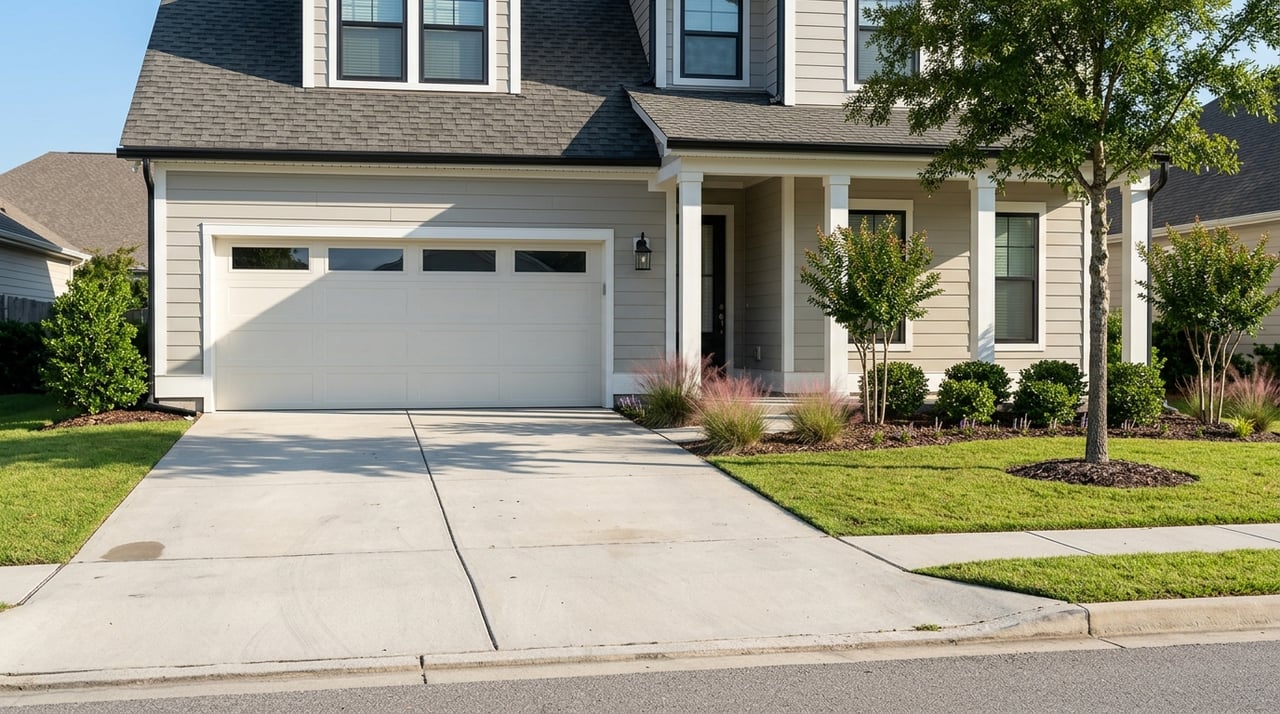
Explore Raleigh NC Commuter Neighborhoods Near I-40 and I-440
April 23, 2026
April 23, 2026
If your daily plans regularly take you across Raleigh, a home with easier interstate access can make a real difference. Whether you commute to downtown, NC State, RTP, WakeMed, or nearby towns like Cary, Garner, and Clayton, being near I-40 or I-440 can help simplify how you move through the Triangle. The good news is that Raleigh offers several areas where convenience, housing variety, and regional access come together. Let’s dive in.
In Raleigh, I-40 and I-440 shape how many buyers experience day-to-day life. According to the North Carolina Department of Transportation, I-40 is a major corridor connecting Hillsborough, Chapel Hill, Durham, Morrisville, Cary, Raleigh, Garner, and Clayton, and it also serves as a key route to Research Triangle Park.
I-440, often called the Raleigh Beltline, nearly encircles central Raleigh and helps connect many in-town areas to shopping, employment centers, medical campuses, and downtown destinations. Together, these roads matter not just for commuting, but also for errands, travel flexibility, and how quickly you can reach different parts of the city.
Recent roadwork also affects the conversation. NCDOT reports that the I-40 widening south of Raleigh was completed in 2024, while I-440 improvements have largely moved into final traffic patterns, though some related work may still cause intermittent delays in certain segments.
West Raleigh is one of the clearest examples of an in-town area with practical interstate access. The city describes the West Raleigh Historic District as an early automobile suburb tied to the growth of NC State, with a mix of owner-occupied homes, rental housing, and newer infill.
For buyers who want to stay closer to the core of Raleigh, this part of the city can be appealing because it combines established housing with access to both I-40 and I-440. NC State notes that its campus is west of downtown Raleigh and accessible from both interstates, with I-40 access at Exit 295 for Gorman Street.
That means West Raleigh can work well if your regular destinations include campus, downtown, or other parts of the Triangle. Housing types in this area may include older detached homes, rental properties, and some newer infill, so your options can vary quite a bit by block and price point.
If your top priority is beltline convenience, central and north Raleigh deserve a close look. Raleigh’s Future Land Use Map identifies mixed-use centers such as downtown Raleigh, North Hills/Midtown, and Crabtree Valley, and these types of areas often sit near major roads and interstate connections.
In practical terms, that often means more housing variety near beltline-accessible corridors. Compared with areas made up mostly of detached homes, these parts of Raleigh may include apartments, condos, townhomes, offices, hotels, and retail in closer proximity.
The city also explains its push for “missing middle” housing, including duplexes, triplexes, townhouses, and small apartment buildings. For buyers, that can translate into more choices if you want a lower-maintenance home, a smaller footprint, or a location closer to major roads and commercial centers.
East and southeast Raleigh can be a strong fit if you want access to downtown, WakeMed, and major routes without limiting yourself to one type of housing. The city says East College Park, an established east Raleigh neighborhood near Saint Augustine’s University, offers access to public transit, major employers, and the downtown corridor, and is within minutes of WakeMed and downtown.
This area also shows how much housing variety exists in this part of Raleigh. The city reports completed single-family homes there and additional townhome development, which is a useful reminder that east Raleigh is not defined by one housing style.
That broader pattern carries across other city-backed community development project areas in east Raleigh, including a range of single-family, townhome, mixed-occupancy, and supportive housing efforts. For buyers, the key takeaway is flexibility: east and southeast Raleigh can offer different price points, home types, and redevelopment patterns depending on where you focus.
South Raleigh is worth considering if you want a straightforward connection to the southeast side of the Triangle. NCDOT identifies I-40 as a major gateway for Raleigh, Garner, and Clayton, and the completed widening south of Raleigh improved capacity through Wake and Johnston counties.
For buyers thinking beyond Raleigh city limits, this corridor can be especially practical. It supports easier movement toward Garner and Clayton while still maintaining access back into Raleigh for work, appointments, and entertainment.
This part of the market can also make sense if your search includes areas that balance city access with a broader range of suburban-style options. Rather than thinking of south Raleigh as one neighborhood, it is more useful to think of it as a corridor with several entry points into both Raleigh and nearby communities.
If your routine points west toward Morrisville, Durham, or RTP, northwest Raleigh can be one of the most convenient parts of the city to explore. RTP notes that Hub RTP is located at the intersection of I-40 and Davis Drive, underscoring how important this corridor is for regional job access.
Raleigh’s northwest district includes places such as Brier Creek and Crabtree Valley, and the city’s planning framework identifies Brier Creek and Crabtree as mixed-use centers. That supports the general pattern many buyers notice in this part of town: a blend of housing, retail, services, and road connectivity.
For someone commuting to RTP or other western Triangle destinations, that can be a major advantage. You may find that this area offers a practical mix of convenience, newer development patterns, and access to major routes without needing to cut through as much central-city traffic.
One of the biggest misconceptions about interstate-accessible areas is that they all feel the same. In reality, Raleigh’s planning framework shows a wide mix of residential, mixed-use, employment, and institutional areas, with different housing forms spread across the city.
Based on the city’s Future Land Use Map, areas closer to major interchanges, feeder roads, and mixed-use centers are more likely to include attached homes, apartments, or condos alongside detached homes. That can be helpful if you want more flexibility in price, maintenance level, or layout.
For some buyers, a townhome or condo near a major route may be a better fit than a larger detached home farther out. For others, an established neighborhood near an interstate connection may offer the right balance of lot size and access.
Convenience comes with tradeoffs, and budget is often one of the biggest. In some locations near major corridors, attached homes or smaller-lot properties may offer a more accessible path into the market than larger detached homes.
Raleigh’s Homebuyer Assistance Program can also be part of the conversation for eligible first-time buyers. The program offers zero-interest deferred loans for down payment, closing costs, or financing gaps for qualifying buyers at or below 80% of area median income, and eligible home types can include single-family homes, townhomes, and condominiums.
The city lists a traditional purchase-price cap of $384,750 and an enhanced cap of $450,000 in targeted areas. If you are comparing different parts of Raleigh, that is a useful reminder that your best location may depend not just on commute goals, but also on the type of home that fits your financing plan.
The best Raleigh area for interstate access depends on where you actually need to go most often. If you commute to NC State or downtown, West Raleigh or beltline-adjacent central areas may deserve extra attention. If WakeMed is a frequent destination, east Raleigh may be worth a closer look.
If RTP or western Triangle destinations are central to your routine, northwest Raleigh may offer the most direct fit. If you want easier access toward Garner, Clayton, or Johnston County, south Raleigh and the I-40 southeast corridor may make more sense.
A simple way to narrow your search is to rank these factors:
Road improvements have strengthened access in many parts of Raleigh, but it is still smart to expect occasional slowdowns in active work zones. NCDOT’s updates on the I-440 improvements project show that the system is improved but still evolving in some areas.
For buyers, this is less about avoiding a broad section of the city and more about understanding your likely day-to-day routes. A home that looks ideal on paper may feel different depending on which interchange you use most, what time you travel, and whether nearby feeder roads are part of your routine.
If you want help matching your commute priorities with the right Raleigh-area search, Enrich Realty can help you compare options, weigh tradeoffs, and focus on locations that fit your daily life as well as your budget.
Stay up to date on the latest real estate trends.
Whether buying, selling, or investing, our team combines data-driven insights with hands-on guidance to ensure seamless, stress-free transactions. We believe real estate is more than property—it’s about creating opportunities, building wealth, and enriching lives.

Enrich Realty
Address 103 W South Railroad St Four Oaks NC 27524